Author Archive | shiatsuhealth@hotmail.com

The Benefits of Shiatsu for a Holistic Approach to Health

16 August, 2025 – It’s been a while! I was delighted to find this wide-ranging literature review on the benefits of shiatsu published in 2023 in the prestigious journal,  The Journal of Advances in Medicine and Medical Research (JAMMR).· You can of course read the article yourself, but briefly the article looked at the efficacy of shiatsu on a wide range of ailments including fibromyalgia, anxiety, post-operative care, musculoskeletal disorders, fatigue and cerebral palsy.

They conclude ” The systematic review carried out in this research showed that Shiatsu has a wide range of therapeutic benefits, from improving blood circulation and muscle flexibility to reducing fatigue, stress and anxiety. The results indicated that the application of Shiatsu can be considered a holistic and integrative approach to promoting overall health
and balance of body and mind. Therefore, when considering the findings discussed and cited in the various scientific articles analysed, it can be concluded that Shiatsu represents a valuable and effective tool in the context of physiotherapy and holistic health. Its ability to address both the physical and psychological aspects of individuals has highlighted the importance of integrating this therapy into wider healthcare practices. ”



A Study on Lower Back Pain

October 13, 2019 — I often post about how shiatsu massage can help with pain, including often back pain. As you will know shiatsu comes from Japan and is very popular there. It is strange therefore that many of the studies you find about shiatsu come from other countries. Today however I found onefrom a hospital in Tokyo published in an Elsevier Journal.

The study involves 59 patients who had been suffering from lower back pain for more than 12 weeks. Divided into two groups – those that were given shiatsu and those who were given standard treatment for lower back pain, the interesting thing is that the more weeks people were given shiatsu the more benefit it appears to have had. Those that had received shiatsu for one hour a week for 8 weeks showed improvement in not only reduced pain, but also improved health, quality of life and a reduction in reported mobile disability. The report also states that shiatsu has a positive effect in the short term, though whether this means it improves back pain quickly or whether the study found in the medium term that the benefits did not last is somewhat unclear.

The study reports that improvements in quality of life having received shiatsu “were considerable” – similar to use of anti-inflammatory drugs. It also finds that the benefits were not evident immediately after treatment but soon after. It hypothesises why this may be so:

“… The following characteristics of Shiatsu therapy might play a role. First, Shiatsu therapy is aimed to prevent and cure illness by stimulating the body’s natural powers of recuperation, eliminating fatigue-producing elements and promoting general good health. In addition, Shiatsu therapy is not only a localized treatment, which would have temporal effects but is also whole-body treatment. Moreover, patients may have favourable effects from communication with Shiatsu practitioners. Emotional social support resulting from communication may be one of the important effects of CAM. These characteristics of Shiatsu therapy may induce later-onset benefits on chronic lower back pain.”

Yet again more happy shiatsu clients!

Modern Shiatsu in Japan

August 7, 2019 — I really haven’t been doing many blog posts this year. Ah! Must do better, must do better. As it’s the summer holidays I have found a bit of time to do a post, so searching around for something to write about I stumbled on a new Japanese shiatsu business located just outside Tokyo, in Sagami Ono.


Beyond Pills: Acupressure Impact on Pain and Anxiety

May 20, 2019 — This is an interesting article following the theme of many previous posts – namely the positive effect that acupressure techniques can have on pain and anxiety.

The study looked at quite a large group of 519 people over a period of 6 years. It involved the use of 16 pressure points, on various different types of patients including those in hospital.

All types of patients reported a drop in pain and anxiety, which the article reports as “statistically significant.” No adverse effects were reported either.

Why people with cancer use shiatsu massage

November 10, 2018 — Over the years I have posted a number of things about shiatsu massage and cancer, usually based on scientific journal articles. Based on my trawl today of articles I was going to post about a new study, but instead found this page from Cancer Research UK.

Given how relatively unknown shiatsu is in the UK, I have to say I was delighted to see such a well-known and respected organisation as Cancer Research UK dedicate part of their website to shiatsu massage. Quoting directly from the website:

Why people with cancer use shiatsu

One of the main reasons that people with cancer use shiatsu is that it makes them feel good.

Generally, Shiatsu therapists believe that freeing your energy flow can help to lift your mood and improve your wellbeing. They promote the therapy as a natural way to help you relax and cope with:

  • stress
  • anxiety
  • depression
  • pain
  • feeling sick (nausea)

Some people with cancer say that it helps them cope better with their cancer and its treatment because it helps control symptoms and side effects such as:

  • poor appetite
  • sleep problems
  • pain
  • low mood

After Shiatsu they feel very relaxed and have higher energy levels.

These are exactly the types of conditions that I blog about based on scientific journal articles, so it is great to see such recognition for the benefits shiatsu massage brings some people.

Diabetes

September 15, 2018 — In the late 1980s and early 1990s Japan was one of the few developed countries that allowed Iranians to travel there without a visa. This may explain why many articles I find on acupressure come from Iran, as Iranians who travelled there were influenced by their time in Japan.

Today’s blog relates to diabetes – a common disease in the West. Of course acupressure and shiatsu should never replace someone taking medicine, but it is interesting to see the results when it is used alongside western medical practices. This five month study of patients with diabetes looked at 60 people – dividing them into a control group and a group which received acupressure.

Diabetes can have a damaging effect on a person’s vital organs. If you have diabetes your pancreas does not produce enough insulin. Similarly one’s levels of sugar in the blood are higher than in a healthy person. The study found that the study group which received acupressure had after treatment higher levels of insulin, and that sugar (FBS) decreased. In conclusion the scientists recommend acupressure as an effective and suitable treatment to help with people suffering from Type 2 diabetes.

What’s Watsu? ワッツって、なんだ?

August 18, 2018 — For a change today I’m not going to blog about something from a scientific journal but from a travel article I found on the website of one of Japan’s largest newspapers, the Asahi Shinbun. In Japan, hot water springs or onsen as they are known in Japanese, are ubiquitous. Taking the waters, as the Victorians used to call it, is big business in Japan. It is synonymous with rest and relaxation and many onsen offer massage in addition to food, a bed for the night and limitless access to the hot baths.

One spa (Amagi Funabara Spa), located on the Izu peninsula south of Tokyo, offers water therapy. Yes you guessed it, for right or wrong, the word “watsu” is a combination of the words “water” and “therapy”. Devised over 70 years ago by an American who studied shiatsu, the aqua therapy. By floating in the water, your body can enter a meditative like state and therefore aid with relaxation. Floating in a large pool with no other sound but the sound of the water, the brain can relax.

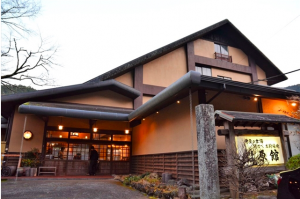
The spa also combines this with what it calls Amagi water therapy – Amagi being the name of the local mountain from where the waters are taken. This is more aimed at helping with aches and pain in your back, legs and other parts of your body. This takes place in the building in the photo, and is done in water at 45c. (The aqua therapy is done in a different bath house more around body temperature of 35-37c).

After you have taken the waters, all there is to do now is to eat (the spa boasts a specialist “wasabi hotpot” – the mind boggles) and relax on the clean, crisp, cotton sheets of your futon. Heaven!


Shiatsu and its use in the NHS

August 10, 2018 — Acupressure and shiatsu can work for different people in different ways. People also seek treatment for different reasons. This new article (behind an Elsevier paywall!) entitled An Evaluation of in Shiatsu Treatment for Cancer and Palliative Care Patients in an NHS setting comes from Barts Hospital in London.  The study investigates the effectiveness of shiatsu in regards to the health and well being concerns of cancer and palliative care concerns of patients in an out-patient environment.

People were referred for a number of different reasons including stress, anxiety, neuropathy, stress, fatigue and insomnia. Results were collected in the form of a questionnaire. The study concludes that the results were “highly significant” in terms of the presentation of symptoms, as well as people’s perception of well being. Anxiety and stress management were most improved.  There is clearly a lot going on here – with people  reporting reduction in pain, being able to sleep better as well as relief at just being heard.

If you are interested in this  a poster summarising the article can be found here.

It is great that the NHS is trying out different ways of treating people.

Sleep Problems and Acupressure

July 7, 2018 — This article (behind a pay wall) claims that there have been no studies undertaken to assess the efficacy of integrative approaches to treating sleep deprivation. Can this claim be true given how common a problem sleep deprivation is? If so what are researchers focussing on, and why no common conditions like this?

This Taiwanese study looked at patients selected from a hospital sleep centre, so one would assume individuals who had chronic issues with sleeping. The researchers selected meditation, music and acupressure as the three methods to try and combat sleep deprivation. Acupressure was found to be the best method for treating the patients. As a shiatsu practitioner this does not surprise me given how relaxing shiatsu massage be can for people. The human touch can relax people if they are in the right frame of mind, and combined with the gentle release of tension in the body that acupressure can bring about are naturally going to relax people. Unlike osteopathy which is quite rigorous and physical – depending on the person – shiatsu can be very gentle indeed. In fact too gentle perhaps for some people! It certainly seems to me that when shiatsu is practised in the UK it is done more gently than in Japan, where people like strong finger pressure to relieve their aches and strains.

Depression in Alzheimers Patients

July 1, 2018 — Anyone who has ever had shiatsu massage will tell you how relaxing and special it can feel. An hour of shiatsu can psychologically ameliorate some of the stresses and strains of every day life. Certainly taking the time to actively relax, with the help of someone trained in shiatsu, has a certain special something to it.

Although many of the articles I find about the benefits of shiatsu and acupressure deal with pain relief, the psychological benefits of taking time out and relaxing can help some people. Although behind a paywall this article from Italian researchers focuses on Alzheimers patients and the treatment of depression. They evaluated the effects of shiatsu on mood, cognition and independence in those undertaking physical activity.

Dividing the group into people who had shiatsu alongside physical activity, and those just doing physical activity, those receiving shiatsu saw the same practitioner once a week for 10 months. The report states that people who received shiatsu saw a statistically significant decrease in depression. The authors hypothesise that shiatsu may effect the “neuro-endocrine mediated effects on neural circuits”.  Whatever the cause of the reduction in the depression, certainly the psychological benefits of another human being looking after you to help with your medical and physical wellbeing I believe must help with your well-being.